Understanding the psychological triggers that drive gambling behavior
The Role of Uncertainty and Risk
Gambling often hinges on uncertainty and risk, two psychological triggers that captivate players. The thrill of not knowing the outcome can heighten excitement, making it more appealing to engage in games of chance. Players often find that the possibility of winning creates a rush, which can make them more willing to take risks. In navigating this landscape, many discover that reputable crypto gambling sites offer intriguing opportunities to enhance their gaming experiences. This interplay between uncertainty and risk can lead to a cycle where players repeatedly seek that exhilarating feeling, reinforcing gambling behavior.
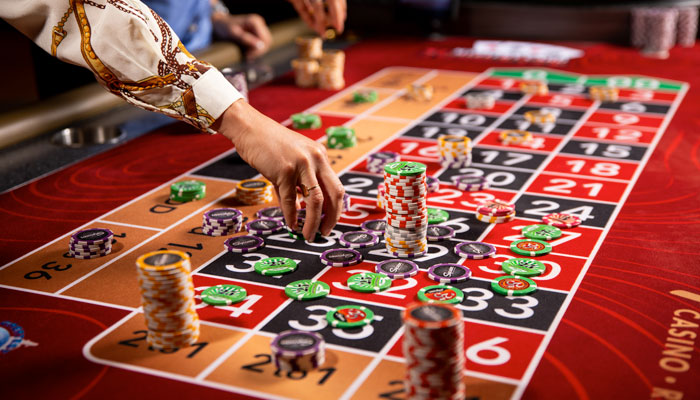
This risk-taking can be tied to the reward system in the brain, where the anticipation of a big win stimulates the release of dopamine. This chemical reaction creates a pleasurable sensation that can overshadow the potential negative consequences of gambling, leading individuals to disregard their limits and gamble more than they originally intended.
The Influence of Social Factors
Social environments play a crucial role in gambling behavior. Many individuals are drawn to gambling through peer influence or social gatherings, where gaming can be a communal activity. The social aspect can normalize gambling, making it seem more acceptable or even encouraged. Friends and family who gamble may inadvertently impact someone’s decision to participate, leading to increased involvement.
Moreover, social settings can amplify the excitement of gambling. Being in a casino or a lively betting atmosphere can create a sense of belonging and camaraderie, making it easier for people to lose track of time and money. The combination of social acceptance and the thrill of the environment significantly drives gambling behavior.
The Impact of Marketing and Advertising
Marketing strategies in the gambling industry are designed to exploit psychological triggers. Advertisements often emphasize the glamorous lifestyle associated with winning, creating aspirational images that can entice potential gamblers. This allure can be particularly strong for individuals who feel dissatisfied with their current situations and see gambling as a potential escape or means of achieving their dreams.
Additionally, promotions and bonuses are strategically employed to create a sense of urgency. Limited-time offers or exclusive rewards can compel individuals to act quickly, often without fully considering the implications of their gambling choices. This tactic further entices players to engage in gambling behavior, reinforcing the cycle of risk and reward.
The Psychological Effects of Loss and Chasing Losses
The psychological phenomenon known as “loss aversion” significantly impacts gambling behavior. People tend to feel the pain of losing more acutely than the joy of winning. This emotional response can lead gamblers to chase their losses, believing that they can recover their money with one more bet. This mindset can be dangerous, as it often results in greater financial losses and a deeper entrenchment in gambling behavior.
This cycle of chasing losses can lead to a distorted perception of gambling. Players may convince themselves that they are on the verge of a win, causing them to gamble more frequently in hopes of reversing their losses. This behavior is fueled by the hope of a big win, which can become addictive and lead to significant financial and emotional consequences.

Resources for Responsible Gambling
Understanding the psychological triggers behind gambling behavior is essential for fostering responsible gaming practices. Resources are available to help players recognize their patterns and make informed choices. Many online platforms provide educational materials that encourage self-awareness and promote safer gambling habits.
Additionally, support networks exist for those who may struggle with gambling addiction. These resources aim to empower individuals to seek help, manage their gambling behavior, and find healthier coping mechanisms. By prioritizing responsible gambling, players can enjoy the entertainment of gaming while mitigating the associated risks.
