Uncovering the truth behind common casino myths and misconceptions
The Gambler’s Fallacy Explained
One of the most prevalent myths in gambling is the gambler’s fallacy, which suggests that past events can influence future outcomes. For instance, many players believe that if a slot machine hasn’t paid out in a while, it’s “due” for a win. This misconception can lead to irrational betting behavior and substantial losses. Even some players drawn into the excitement of offshore casinos may be misled by this fallacy.
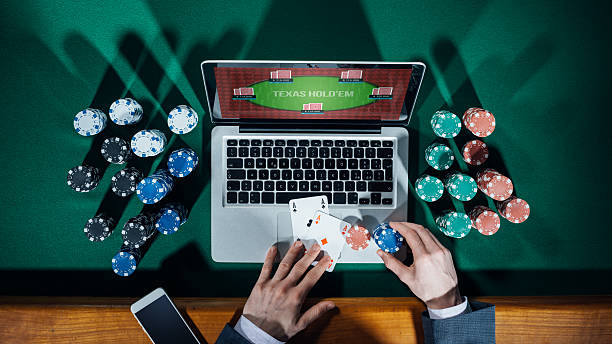
In reality, games of chance, such as slots or roulette, operate independently of previous results. Each spin or roll is a separate event with its own probabilities. Understanding this can help players make more informed decisions and reduce the emotional highs and lows associated with gambling.
Luck vs. Skill in Gambling
Another common myth is that skill can significantly affect the outcome of games traditionally considered luck-based, like slot machines or roulette. Many new players might believe that experience or strategies can change their odds, leading to the misconception that they can outsmart the game.
While some games, such as poker and blackjack, do allow for strategic play and skill to influence outcomes, many other casino games rely entirely on chance. Acknowledging the distinction between luck and skill can help players set realistic expectations and enjoy the experience without undue frustration.
The Illusion of Control
Many gamblers fall prey to the illusion of control, thinking they can influence the outcome of a game through specific rituals or behaviors. This might include things like using lucky charms or following personal betting routines. Such beliefs stem from a psychological need to feel in control of uncertain situations.
However, understanding that outcomes in games of chance are random can help players avoid the pitfalls associated with these illusions. Recognizing the true nature of chance can lead to healthier gambling habits and reduce the emotional stress that comes with trying to control the uncontrollable.
The “Hot” and “Cold” Machines Myth
The idea that certain machines are “hot” or “cold” is a widespread misconception among slot players. Many believe that some machines are more likely to payout than others at certain times, leading to the belief that timing can improve chances of winning.
In reality, all slot machines operate on random number generators, meaning each outcome is independent. Players chasing a “hot” machine may waste both time and money, as every spin is just as likely to be a loss as any other, no matter the previous outcomes.

Understanding the Psychology of Gambling
At its core, understanding the psychology behind gambling is crucial for players. Casinos are designed to create an environment that encourages players to spend more time and money, often utilizing lighting, sounds, and layouts that heighten excitement and engagement.
By educating oneself about these psychological tactics, players can develop a more mindful approach to gambling. Being aware of the myths and psychological tricks can lead to more responsible gambling habits and a more enjoyable experience at the casino.
