Exploring the psychology behind high-stakes casino gambling decisions
The allure of high-stakes gambling
High-stakes casino gambling attracts individuals seeking thrills and excitement. The ambiance of bright lights, the sound of spinning wheels, and the possibility of winning big create an electrifying environment. This setting often triggers psychological responses, leading players to make decisions driven by emotion rather than logic. The adrenaline rush associated with placing large bets can overshadow rational thinking, compelling gamblers to chase the thrill of risk. In this context, finding the best bitcoin casinos can enhance the overall gambling experience.
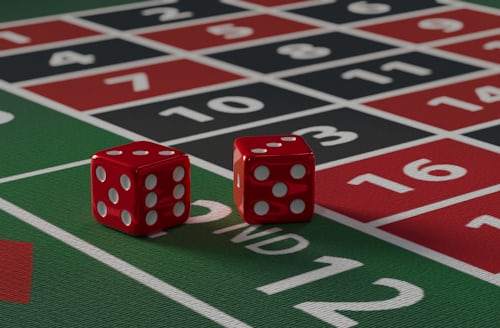
Moreover, the social dynamics within casinos play a significant role in influencing decisions. Gamblers are often surrounded by fellow players, creating an atmosphere of shared excitement. This communal experience can amplify one’s determination to bet larger amounts, how they perceive their chances of winning, and how they respond to losses. The social reinforcement from others can lead to more impulsive decision-making, emphasizing the psychological factors at play in high-stakes environments.
Cognitive biases in gambling decisions
Cognitive biases significantly affect how gamblers evaluate risks and rewards. One prevalent bias is the illusion of control, where individuals believe they can influence the outcome of a game purely based on skill or strategy, despite the inherent randomness of gambling. This false sense of control can lead to overconfidence and increased betting, as players may feel they have an edge, even when the odds are against them.
Another common bias is the availability heuristic, where players base their decisions on recent experiences rather than on statistical probabilities. If a player witnesses someone winning a substantial amount, they may mistakenly believe that their chances of winning are similarly high. This misjudgment can trigger a cascade of high-stakes bets, as the gambler chases the perceived opportunity for a significant win.
Emotional factors and decision-making
Emotions play a crucial role in gambling decisions, especially in high-stakes scenarios. Winning can lead to feelings of euphoria, while losing can invoke frustration or despair. Such emotional swings can cloud judgment, pushing players to make erratic choices. For instance, a gambler might decide to double their bets after a loss, driven by the hope of recovering their losses, rather than taking a step back to evaluate the situation logically.
Additionally, certain players may develop emotional attachments to specific games or machines, leading to superstitions that affect their betting behaviors. These emotional connections can create a sense of loyalty to particular games, prompting gamblers to place larger bets in the hope of redeeming an earlier loss. These emotional entanglements highlight the intricate interplay between psychological factors and gambling decisions.
The role of reward systems in the brain
The brain’s reward system significantly influences gambling behavior, particularly in high-stakes scenarios. When a player wins, the brain releases dopamine, a neurotransmitter associated with pleasure and reward. This chemical reaction reinforces the behavior, encouraging repetitive gambling even in the face of losses. As players experience the highs of winning, they may become increasingly willing to risk more, driven by the expectation of similar euphoric outcomes.
Conversely, the anticipation of winning also activates reward pathways, sometimes leading to compulsive gambling behaviors. The unpredictability of gambling outcomes can create a cycle of excitement and disappointment, enticing players to continue betting in hopes of achieving a high from their next win. This complex relationship between brain chemistry and gambling decisions underscores the powerful psychological underpinnings of high-stakes gambling.

Understanding gambling behavior on secure platforms
For those interested in exploring their gambling behavior or seeking a secure environment for their gaming experiences, it is essential to access platforms that prioritize user safety and security. Understanding the psychological aspects of high-stakes gambling can enhance self-awareness, enabling individuals to make informed decisions. Knowledge about how emotions, biases, and brain responses impact choices can lead to more responsible gambling practices.
Whether for entertainment or exploration, ensuring a secure platform helps users engage responsibly and enjoy their experiences without compromising personal safety. Awareness of the psychology behind gambling decisions can be a valuable tool in navigating the exhilarating yet challenging world of high-stakes casinos.
