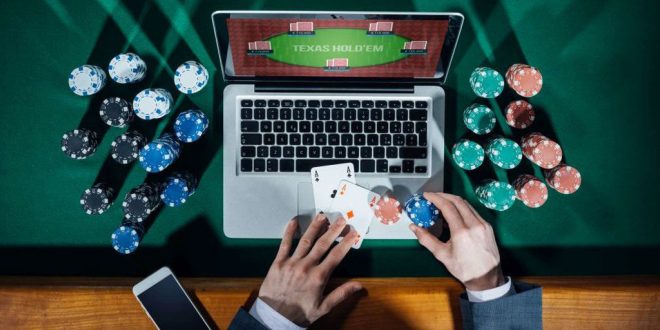
The Role of Social Influences in Gambling
Social interactions significantly shape gambling behavior, influencing decisions and attitudes toward gambling activities. Individuals often participate in gambling not only for monetary gains but also to engage with friends and family, creating a communal experience. The social context can enhance the thrill of gambling, making it more appealing as people share excitement and losses alike. In fact, many consider gambling to be the best online casino experience when done in the right circles.

Peer pressure and social norms play a crucial role in this dynamic. When individuals see friends or family engaging in gambling, they may feel compelled to join in, believing that this aligns with their social identity. This can lead to increased participation and even risky behaviors, as individuals might gamble more than they initially intended to maintain their social ties.
The Psychological Impact of Group Gambling
Group gambling can amplify emotions and behaviors associated with gambling, including both positive and negative outcomes. When individuals gamble in groups, the emotional highs and lows are often shared, leading to a heightened sense of connection. This shared experience can serve as a powerful motivator, compelling individuals to gamble more frequently and with larger sums.
However, this social environment can also normalize excessive gambling behaviors, leading to potential addiction. The reinforcement of winning streaks and shared experiences can blur the lines between responsible gambling and compulsive behavior, making it essential to understand the psychological aspects of group dynamics in gambling scenarios.
The Influence of Social Media on Gambling Behavior
Social media platforms have transformed how individuals approach gambling, often promoting a culture that glorifies gambling wins. The instant feedback and validation received from online communities can create a false sense of security, encouraging more people to gamble. The visibility of others’ gambling successes can lead to feelings of inadequacy among peers, pushing them to participate in gambling to keep up.
Moreover, influencers and celebrities who endorse gambling can significantly impact their followers, making gambling appear as an attractive and glamorous activity. This can distort perceptions of risk and reward, further contributing to increased gambling participation among younger audiences who are particularly susceptible to these influences.
Community and Gambling: A Double-Edged Sword
While social interactions can foster a sense of community among gamblers, they can also contribute to destructive behaviors. Communities that celebrate gambling can inadvertently encourage negative habits, especially when they prioritize gambling as a form of entertainment without considering its potential consequences. This duality highlights the need for awareness and education about responsible gambling practices.
Community support can also be beneficial, particularly for individuals seeking help for gambling-related issues. Support groups and communal resources can offer essential assistance, fostering a healthier approach to gambling that emphasizes moderation and responsibility rather than reckless behavior.

Conclusion: Understanding Gambling Behavior through Social Interactions
Examining the influence of social interactions on gambling behavior reveals a complex interplay between community dynamics, psychological factors, and individual choices. While social environments can enhance the enjoyment of gambling, they can also lead to risky behaviors if not approached with caution. Understanding these influences is crucial for promoting responsible gambling practices.
As we delve deeper into the effects of social interaction on gambling, it becomes apparent that awareness and education are vital. Creating spaces for discussion and support can mitigate the risks associated with gambling, fostering a healthier and more informed gambling culture.




)