Ancient Beginnings of Gambling
The origins of gambling can be traced back to ancient civilizations, where games of chance were often intertwined with social rituals and religious practices. Evidence from archeological sites suggests that as early as 3000 BC, people in Mesopotamia engaged in betting activities using dice made from animal bones. These primitive forms of gambling provided a glimpse into human nature’s fascination with risk and uncertainty, just like the excitement found in chicken road 2, a fast-paced game gaining popularity.

In ancient Rome, gambling became a widespread pastime among citizens, with various forms of betting on gladiatorial games and chariot races. These activities not only entertained the masses but also generated significant revenue for the state. The popularity of such games laid the foundation for future gambling practices, paving the way for structured betting systems that would evolve over centuries.
The Rise of Formal Gambling Establishments
The Middle Ages marked a significant shift in the gambling landscape, with the establishment of the first formal gambling houses in Europe. These venues provided a controlled environment for patrons to engage in various games, such as cards and dice. As these establishments grew in number, they began to attract a wealthier clientele, leading to the emergence of luxurious casinos that catered to the elite.
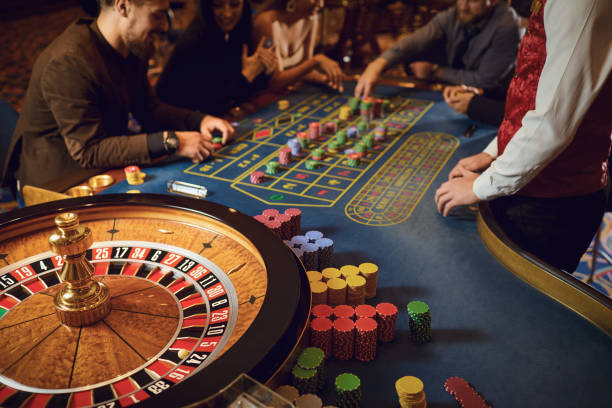
By the 17th century, the modern casino as we know it began to take shape in Italy, with the opening of the Casino di Venezia in 1638. This period not only brought about the refinement of gambling games but also the introduction of more sophisticated betting strategies. The allure of casinos fueled a burgeoning gambling culture across Europe, leading to a rise in gambling regulations as governments sought to control and profit from this growing industry.
The Advent of the Lottery
The lottery, another pivotal aspect of gambling history, emerged in the late 15th century as a means for governments to raise funds for public projects. Initially, these lotteries offered modest prizes, but as their popularity grew, the stakes increased significantly. Lotteries provided ordinary citizens with the opportunity to participate in games of chance, democratizing the gambling experience.
The Digital Revolution and Online Gambling
The advent of the internet in the late 20th century revolutionized the gambling industry, giving rise to online casinos and betting platforms. This shift democratized access to gambling, enabling players from all over the world to engage in their favorite games without needing to visit a physical location. Online gambling platforms provided unprecedented convenience, allowing users to place bets and play games from the comfort of their own homes.

The Future of Gambling and Emerging Trends
The gambling landscape continues to evolve, with emerging trends shaping the future of the industry. Innovations such as virtual reality casinos and blockchain technology are set to redefine how players engage with gambling. These advancements promise to enhance user experiences while ensuring transparency and security in transactions.
“`