Introduction to Gambling in Entertainment
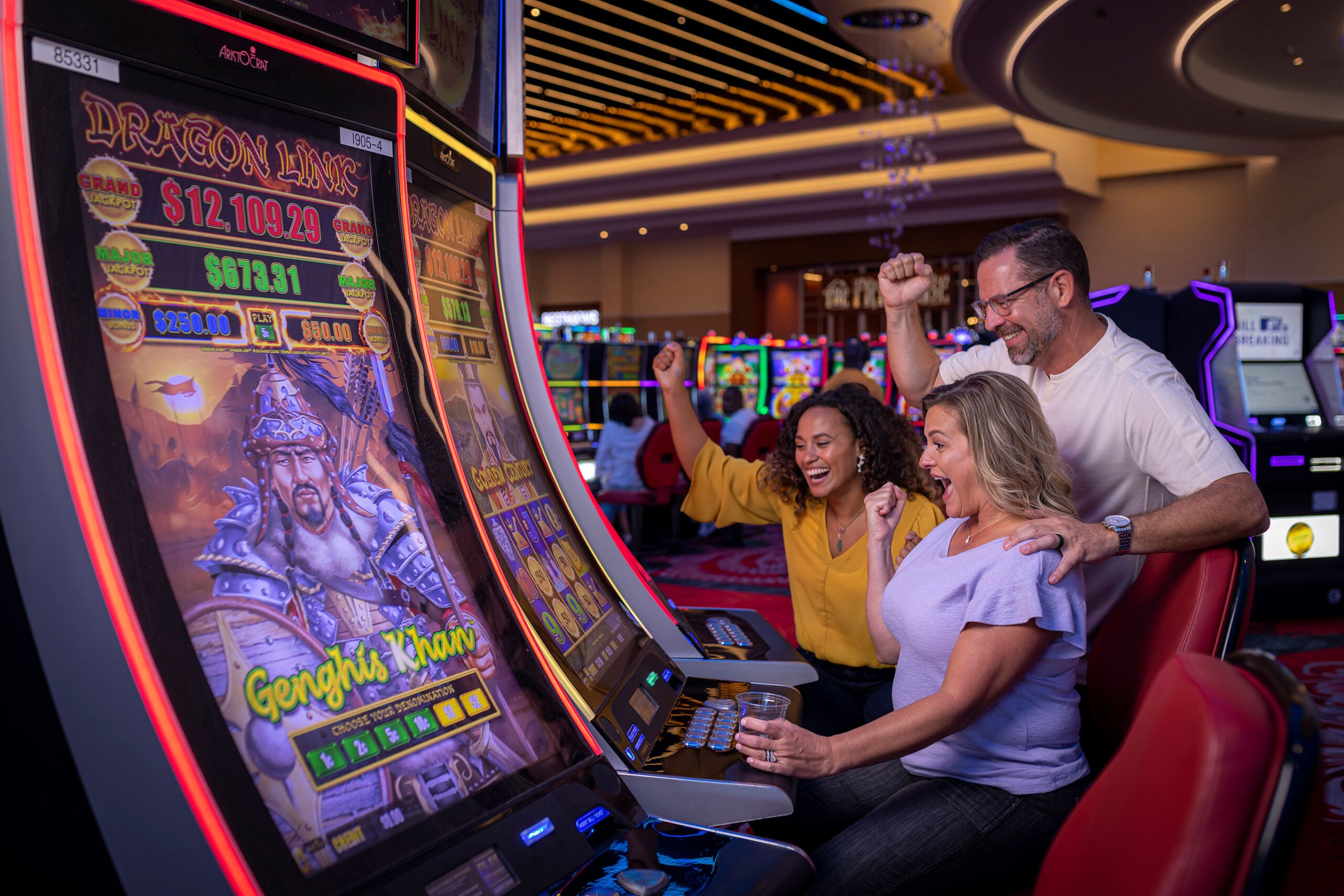
Gambling has long been a significant part of popular culture, influencing various forms of entertainment from films and television shows to music and literature. The allure of chance and risk captivates audiences, often serving as a backdrop for thrilling narratives or character development. Movies like “Casino” and “Rounders” showcase the intense emotions associated with gambling, capturing both the excitement and the perils that accompany it. Many people also seek out new casinos not on gamstop for a diverse gaming experience.
Beyond film, television series such as “Breaking Bad” and “The Sopranos” incorporate gambling elements to enhance storytelling. These narratives delve into themes of greed, desperation, and moral ambiguity, highlighting the profound impact that gambling can have on individuals and their relationships. This cultural portrayal often shapes societal perceptions of gambling, intertwining it with notions of success and failure.
Gambling’s Influence on Music and Literature
Music and literature have also been significantly influenced by gambling culture, often reflecting the risks and rewards associated with betting. Lyrics in songs by artists like Kenny Rogers and The Rolling Stones evoke the thrill of taking chances, illustrating gambling as a metaphor for life’s uncertainties. These artistic expressions resonate with audiences, capturing the emotional highs and lows experienced by gamblers.
In literature, authors such as Dostoevsky have explored the psychological complexities of gambling. His novel “The Gambler” reveals how addiction can consume an individual, offering a deeper understanding of the motivations behind this vice. This literary exploration not only entertains but also raises awareness about the potential dangers of gambling, fostering a more nuanced conversation around the subject.
Gambling in Video Games and Online Platforms
The rise of technology has led to the integration of gambling themes in video games and online platforms. Many popular video games feature elements of chance, from poker-themed games to virtual casinos, engaging players in interactive experiences that mimic real-life betting. This trend has contributed to the normalization of gambling, particularly among younger audiences who may not fully grasp the risks involved. 
Furthermore, online gambling platforms have transformed the landscape of traditional betting, offering accessibility and convenience. As more people engage with these platforms, the cultural significance of gambling continues to evolve. The social aspect of online gaming often blurs the lines between entertainment and actual gambling, making it crucial for players to approach these activities with awareness and responsibility.
Conclusion and Cultural Reflection
Gambling’s presence in popular culture reflects a broader societal fascination with risk-taking and chance. Through various mediums, it serves as a lens to examine human behavior, aspirations, and the consequences of one’s choices. As gambling continues to permeate entertainment, it will undoubtedly remain a compelling topic for future artistic endeavors, shaping cultural narratives for years to come.
In navigating this complex landscape, it is essential to prioritize safety and responsible engagement with gambling-related content. Websites dedicated to this topic provide valuable insights and resources, ensuring that audiences can explore the intricacies of gambling within popular culture while remaining informed about the associated risks. Engaging with such platforms can enrich the understanding of gambling’s multifaceted role in our lives and its implications on society.